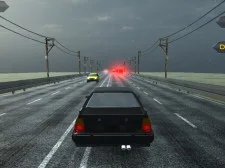
Santa Hill Climbing: Turbocharged Delivery

Santa Hill Climbing: Turbocharged Delivery
Start Game
Introduction to Turbocharged Physics
The Santa Hill Climbing game is a thrilling, physics-based driving experience that challenges players to navigate bumpy roads while maintaining speed and conserving fuel. With a unique blend of arcade-style gameplay and realistic physics, this game is sure to captivate players of all ages. The game’s core mechanics revolve around the concept of turbocharged delivery, where players must balance acceleration and deceleration to maximize gift collection.Rendering and Graphics Pipeline
The game’s rendering engine is built on a custom pipeline that leverages WebGL and 5 canvas to deliver smooth, high-performance graphics. The engine utilizes a combination of vertex and pixel shaders to render complex scenes, including terrain, vehicles, and gifts. The rendering pipeline is optimized for desktop and mobile devices, ensuring a consistent and engaging visual experience across platforms. Key features of the rendering engine include: * Dynamic Lighting: The game features a dynamic lighting system that simulates the effects of time-of-day and weather conditions on the game environment. * Texture Compression: The engine uses advanced texture compression algorithms to reduce memory usage and improve rendering performance. * Physics-Based Rendering: The game’s physics engine is tightly integrated with the rendering pipeline, allowing for realistic simulations of vehicle dynamics and collisions.Input Latency and Control Systems
The game’s input latency is optimized for fast and responsive controls, with a focus on minimizing delay between user input and on-screen action. The control systems are designed to work seamlessly across desktop and mobile devices, with support for keyboard, mouse, and touch inputs. Key features of the control systems include: * Device-Agnostic Input: The game uses a device-agnostic input system that allows players to use their preferred input method, regardless of device or platform. * Customizable Controls: Players can customize the game’s controls to suit their individual preferences, including adjustable sensitivity and button mapping. * Haptic Feedback: The game supports haptic feedback on supported devices, providing a more immersive and engaging gameplay experience.UI Architecture and Human-Computer Interaction
The game’s UI architecture is designed to provide a clear and intuitive player experience, with a focus on minimalism and ease of use. The UI is built using a combination of , CSS, and JavaScript, with a modular design that allows for easy customization and extension. Key features of the UI architecture include: * Context-Aware UI: The game’s UI is context-aware, adapting to the player’s current situation and providing relevant information and controls. * Real-Time Feedback: The UI provides real-time feedback to the player, including speed, fuel level, and gift collection progress. * Modular Design: The UI is built using a modular design, allowing developers to easily add or remove features and components as needed.Gameplay Loops and Core Mechanics
The game’s core mechanics revolve around the concept of turbocharged delivery, where players must balance acceleration and deceleration to maximize gift collection. The gameplay loop is designed to be engaging and challenging, with a focus on player progression and skill-building. Key features of the gameplay loop include: * Procedurally Generated Terrain: The game features procedurally generated terrain, providing a unique and varied gameplay experience each time the player starts a new game. * Dynamic Gift Placement: Gifts are placed dynamically throughout the game world, requiring players to adapt and adjust their driving strategy to maximize collection. * Leaderboard Integration: The game features leaderboard integration, allowing players to compete with others and track their progress over time.Physics Engine and Collision Detection
The game’s physics engine is built on a custom collision detection system, allowing for realistic simulations of vehicle dynamics and collisions. The physics engine is tightly integrated with the rendering pipeline, providing a seamless and immersive gameplay experience. Key features of the physics engine include: * Rigid Body Dynamics: The game’s physics engine supports rigid body dynamics, allowing for realistic simulations of vehicle motion and collisions. * Soft Body Dynamics: The engine also supports soft body dynamics, allowing for realistic simulations of deformable objects and terrain. * Collision Detection: The game’s collision detection system is optimized for performance and accuracy, providing a smooth and responsive gameplay experience.Categories and tags of the game : Adventure, Christmas, Drive, Gifts, Hills, Racing